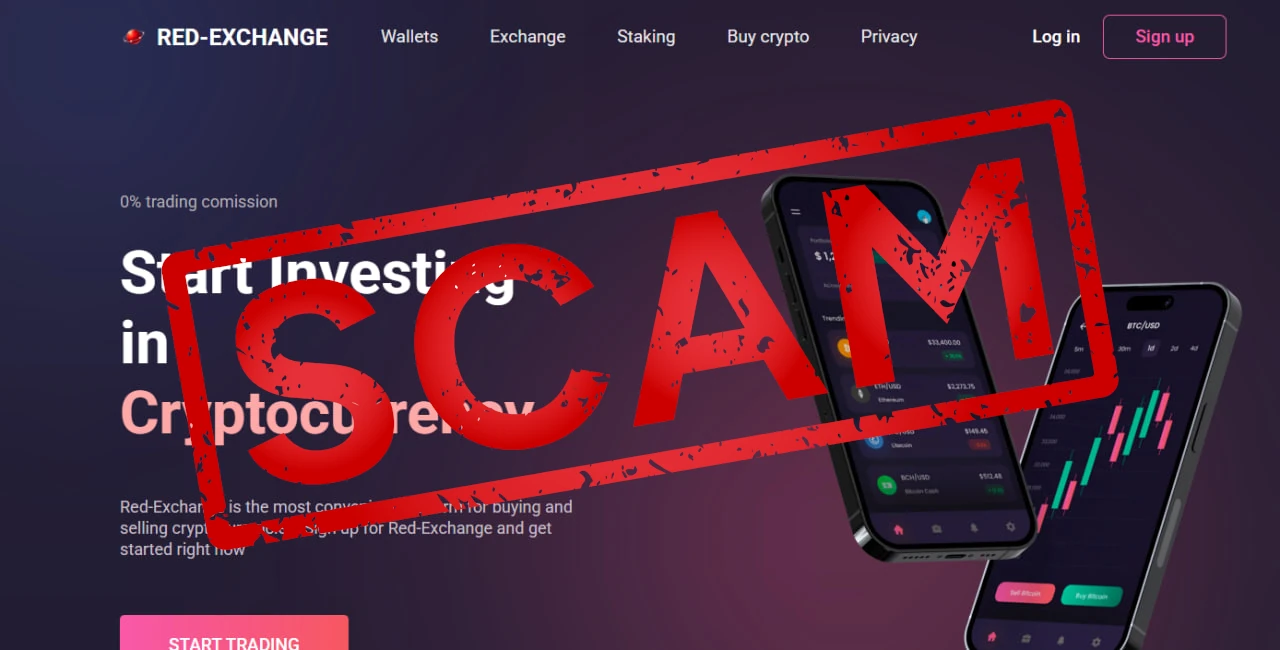
The website red-exchange.com presents itself as a cryptocurrency exchange focused on liquidity services, swaps, and peer-to-peer trading. At first glance, the platform appears polished and professional. Its interface resembles that of established crypto exchanges, and the site suggests it provides trading infrastructure similar to well-known marketplaces.
But when investors start searching for red-exchange.com reviews, the situation becomes less straightforward. Discussions on independent forums, community warnings, and several video investigations raise concerns about blocked withdrawals and unusually high return promises. Naturally, this leads many investors to ask a simple question: is red-exchange.com legitimate, or could it be a scam?
Before depositing funds into any cryptocurrency platform—especially one targeting international users—it’s crucial to verify its regulatory status. Legitimate exchanges typically provide clear information about the company operating the platform, the jurisdiction in which it is registered, and its licensing status with financial authorities.
In the case of red-exchange.com, these key details are either missing or unclear. Searches in regulatory databases do not show confirmed authorization, the corporate entity behind the platform is not transparently disclosed, and user complaints point to patterns that resemble pseudo-exchange schemes rather than regulated trading services.
For investors in the United Kingdom and across the European Union, these factors make red-exchange.com a platform that deserves careful scrutiny. Until its regulatory status, corporate structure, and operational transparency can be independently verified, any financial interaction with the platform carries significant risk.

General information about red-exchange.com
| Parameter | Details |
|---|---|
| Project name | Red-Exchange |
| Website | red-exchange.com |
| Domain registration date | not obtained |
| Registrar | not obtained |
| Listed address | not disclosed |
| Contact email/phone | not disclosed |
| Minimum deposit | not disclosed |
| Promised returns | ~9–10% implied |
| Claimed licenses | none indicated |
| FCA authorization | not found |
| CySEC authorization | not found |
| Warning list status | not found |
| Risk classification | High |
Red-exchange.com and UK regulatory verification
Financial services offered to UK investors normally require authorization from the Financial Conduct Authority.
The official FCA register can be verified through:
A search of the FCA database does not show any regulated crypto exchange named Red-Exchange.
There is a company registered in the UK under the name Red Exchange Limited (Company No. 06273727). Public records are available through:
https://find-and-update.company-information.service.gov.uk
However, this company operates in facility support services, not cryptocurrency trading. There is no evidence linking this entity to red-exchange.com.
The review of official regulatory registers does not confirm the existence of any license.
This means UK users of red-exchange.com would not benefit from:
- Financial Services Compensation Scheme protection
- Financial Ombudsman dispute resolution
- regulated client fund safeguards.
In practical terms, investors interacting with the platform operate outside FCA oversight.

Red-exchange.com and EU regulatory verification
Within the European Union, investment services normally operate under the MiFID framework and may require licensing from regulators such as the Cyprus Securities and Exchange Commission.
CySEC licensing records are publicly accessible at:
Searches of CySEC databases and other EU regulatory portals show no authorization connected to Red-Exchange or red-exchange.com.
This absence of regulatory recognition means the platform cannot demonstrate compliance with EU investor protection frameworks.
Without regulatory supervision, users cannot rely on standard financial protections such as:
- supervised custody of funds
- regulated dispute resolution
- compliance monitoring.
WHOIS and domain analysis for red-exchange.com
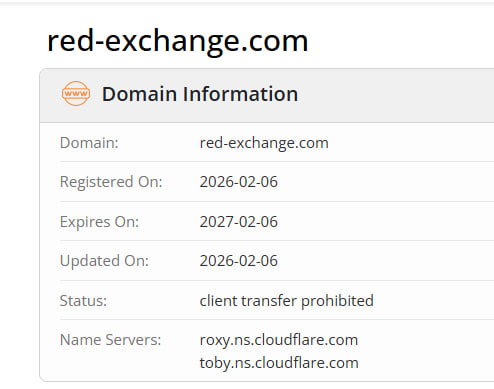
Public WHOIS records for red-exchange.com are limited and do not clearly identify the domain owner.
This lack of transparency is unusual for a financial service platform.
Legitimate exchanges typically disclose:
- domain ownership
- corporate entity
- jurisdiction of operation.
Instead, the website’s privacy policy references Mek Global Limited as an operator. This name appears in unrelated contexts and does not correspond to a confirmed crypto exchange license.
Another complicating factor is the presence of a UK company called Red Exchange Limited, registered in Lincolnshire in 2007.
However, that company operates in a completely different industry. No evidence connects it to cryptocurrency trading or to the red-exchange.com domain.
These discrepancies create a fragmented identity:
- a crypto exchange website
- a possibly unrelated UK company
- a different corporate name mentioned in site documentation.
Such inconsistencies raise questions about who actually controls the platform.
How the red-exchange.com scheme appears to work
Reports from investors and scam-tracking communities describe a typical sequence.
First, potential investors encounter advertising promoting cryptocurrency profits or trading opportunities.
After registering on red-exchange.com, the user deposits funds into a platform wallet.
The user dashboard displays trading activity and balance growth. Some screenshots show profit projections approaching 9–10 percent returns.
This apparent profitability encourages larger deposits.
Problems begin when the user attempts to withdraw funds.
According to several reports, the platform may delay withdrawals and request additional payments such as:
- conversion fees
- tax payments
- security deposits
- verification charges.
After these payments are made, withdrawals may remain blocked and user accounts become inaccessible.
Such behavior resembles common pseudo-exchange fraud structures, where internal dashboards simulate trading results rather than connecting to real markets.
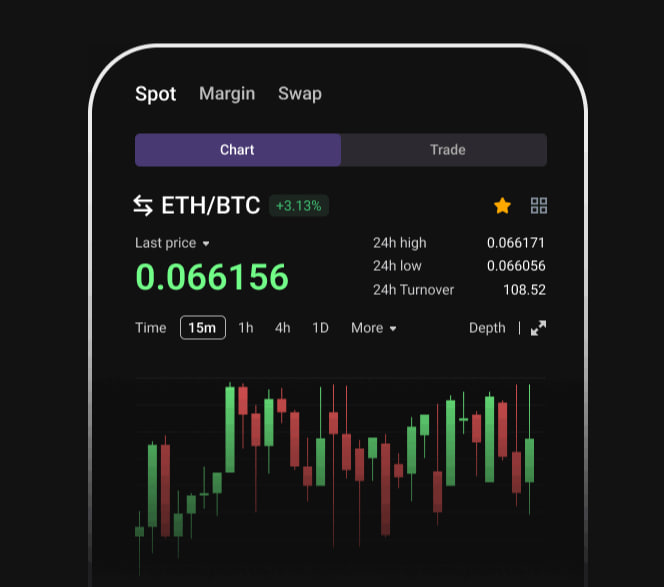
Mathematical risk analysis of red-exchange returns
A promise of approximately 9–10 percent returns raises serious financial questions.
Consider a simple example.
If a user deposits $1,000 and receives a 10 percent return, the platform would owe $100 profit.
If 100 users deposit similar amounts, the platform would need to pay $10,000 in profits within the same timeframe.
A legitimate exchange earns revenue primarily through trading fees rather than guaranteed returns.
If profits are promised without transparent trading activity, the payout model becomes dependent on continuous new deposits.
This creates a deposit-driven structure similar to redistribution schemes.
Such systems remain functional only while new deposits exceed withdrawal demands.
When growth slows, the platform becomes unable to meet obligations, often leading to withdrawal restrictions.
Jurisdiction and identity transparency
The red-exchange.com website does not clearly identify the company responsible for the service.
Missing information includes:
- verified company registration number
- operational headquarters
- regulatory authority.
Without this information, investors cannot determine:
- which jurisdiction governs disputes
- which authority supervises the platform
- which legal entity holds user funds.
This anonymity significantly increases investor risk.
Red-exchange.com warning signals
Several warning signs appear in the available data.
| Risk indicator | Present |
|---|---|
| No FCA authorization | Yes |
| No EU regulatory authorization | Yes |
| Opaque corporate identity | Yes |
| Unclear domain ownership | Yes |
| High implied returns | Yes |
| Aggressive promotion | Yes |
| Withdrawal complaints | Yes |
| No compensation scheme | Yes |
These signals form a consistent pattern associated with high-risk crypto investment platforms.
Moneyinvzone.com reviews – complaints about withdrawals and additional payments
Search queries such as “moneyinvzone reviews”, “moneyinvzone scam”, and “moneyinvzone withdrawal problems” have started appearing more frequently as users attempt to verify the credibility of the platform. Independent sources already contain complaints that describe a very similar interaction pattern.
One investigation published on TellTrue analyzes the platform and notes warning signs associated with high-pressure investment offers and difficulties withdrawing funds:
https://telltrue.net/eto-lohotron/moneyinvzone/
A discussion thread on Forum-Info contains reports from users who claim that the platform demanded additional payments before processing a withdrawal request:
https://forum-info.ru/topic/87920-moneyinvzone-otzyvy-razbor-accountmoneyinvzonecom-trevozhnye-signaly-shema-doplat-i-chto-delat-esli-dengi-uzhe-ushli/
Another analytical review published on WinnStrategy examines the project and raises questions about the lack of confirmed regulation and transparency:
https://www.winnstrategy.com/moneyinvzone/
Across these sources, the reported experiences follow a nearly identical structure.
Typical scenario described in moneyinvzone reviews
Users who shared their experiences describe the following sequence:
Cold contact or advertising
Potential investors are approached through phone calls, social media messages, or advertisements promising profits from cryptocurrency or stock trading.
Small initial deposit
Users deposit a relatively small amount and receive access to a dashboard on account.moneyinvzone.com, where charts and balances appear to grow rapidly.
Pressure to invest more
Managers remain in regular contact and encourage users to increase their deposits to “unlock higher profits”.
Withdrawal request triggers new fees
When users attempt to withdraw funds, the account may suddenly be frozen and additional payments are requested. These may be presented as:
- tax payments
- insurance fees
- liquidity fees
- verification deposits
- currency conversion charges
Account suspension
According to user reports, even after these payments are made, withdrawals are not processed and communication with the platform may stop.
Why moneyinvzone reviews raise concerns
Negative reviews alone do not automatically prove wrongdoing. However, when multiple independent sources describe the same pattern — deposits followed by withdrawal barriers and requests for additional payments — it becomes a significant risk indicator.
For this reason, anyone researching moneyinvzone.com reviews should carefully verify regulatory information and approach the platform with caution before making any financial transfers.
Can you withdraw money from red-exchange.com
Withdrawal capability is one of the most important indicators of a legitimate trading platform.
Regulated exchanges normally process withdrawals after standard identity verification procedures.
Reports about red-exchange.com suggest a different experience.
Users describe situations where withdrawal requests trigger additional payment demands. These may include taxes or verification charges.
Once the payment is made, the withdrawal still does not occur.
Such patterns resemble typical scam operations designed to extract additional deposits before cutting off access to the account.
Red-exchange.com scam or legit
Based on the available evidence, red-exchange.com cannot be considered a verified regulated cryptocurrency exchange.
The platform lacks:
- confirmed regulatory authorization
- transparent corporate identity
- consistent operational disclosure.
Combined with community warnings and high return promises, these factors indicate a high-risk investment environment.
Regulated exchange vs red-exchange.com
A legitimate crypto exchange typically demonstrates several characteristics:
- licensing by recognized financial authorities
- transparent company registration
- regulatory compliance reporting
- clear withdrawal procedures.
The operational structure observed on red-exchange.com does not demonstrate these features.
This discrepancy highlights the difference between regulated financial intermediaries and unverified trading platforms.
FAQ about red-exchange.com
Does red-exchange.com have FCA authorization
No confirmed FCA authorization appears in the official register.
Is red-exchange.com regulated in the EU
No EU financial regulator currently lists the platform as a licensed entity.
Who owns red-exchange.com
The platform does not clearly disclose a verified operating company.
Is red-exchange.com safe for investors
Because regulatory authorization is not confirmed, investor protection cannot be guaranteed.
Can profits shown on red-exchange.com be trusted
Without transparent trading verification, displayed profits cannot be independently confirmed.
Conclusion

The available information suggests that red-exchange.com operates without clearly verifiable regulatory authorization and provides very limited transparency about its corporate structure.
In practice, this means there is no confirmed licensing, no clear disclosure of the legal entity behind the platform, and no visible regulatory oversight that would normally apply to legitimate cryptocurrency exchanges.
When these basic elements are missing, it becomes difficult to verify who is actually operating the service or what protections exist for users and their funds.
For this reason, the platform cannot currently be regarded as a regulated cryptocurrency exchange.
Based on these findings, our experts recommend avoiding any financial interaction with this project until transparent licensing information, corporate identification, and regulatory supervision can be independently confirmed.
Final takeaway
When a trading platform cannot demonstrate its legal foundation or regulatory supervision, the opportunity it advertises becomes a structural risk rather than an investment service.
Lost money with a broker? Find out how to get it back! Contact us at [email protected] , leave your name and phone number so we can get back to you. The Watchdog Online team stands guard over your safety — together we will make the Internet better!
Read also: https://watchdog-online.com/reviews/pixetivo-com-scam/
https://watchdog-online.com/reviews/acetradefinance-com-review/