
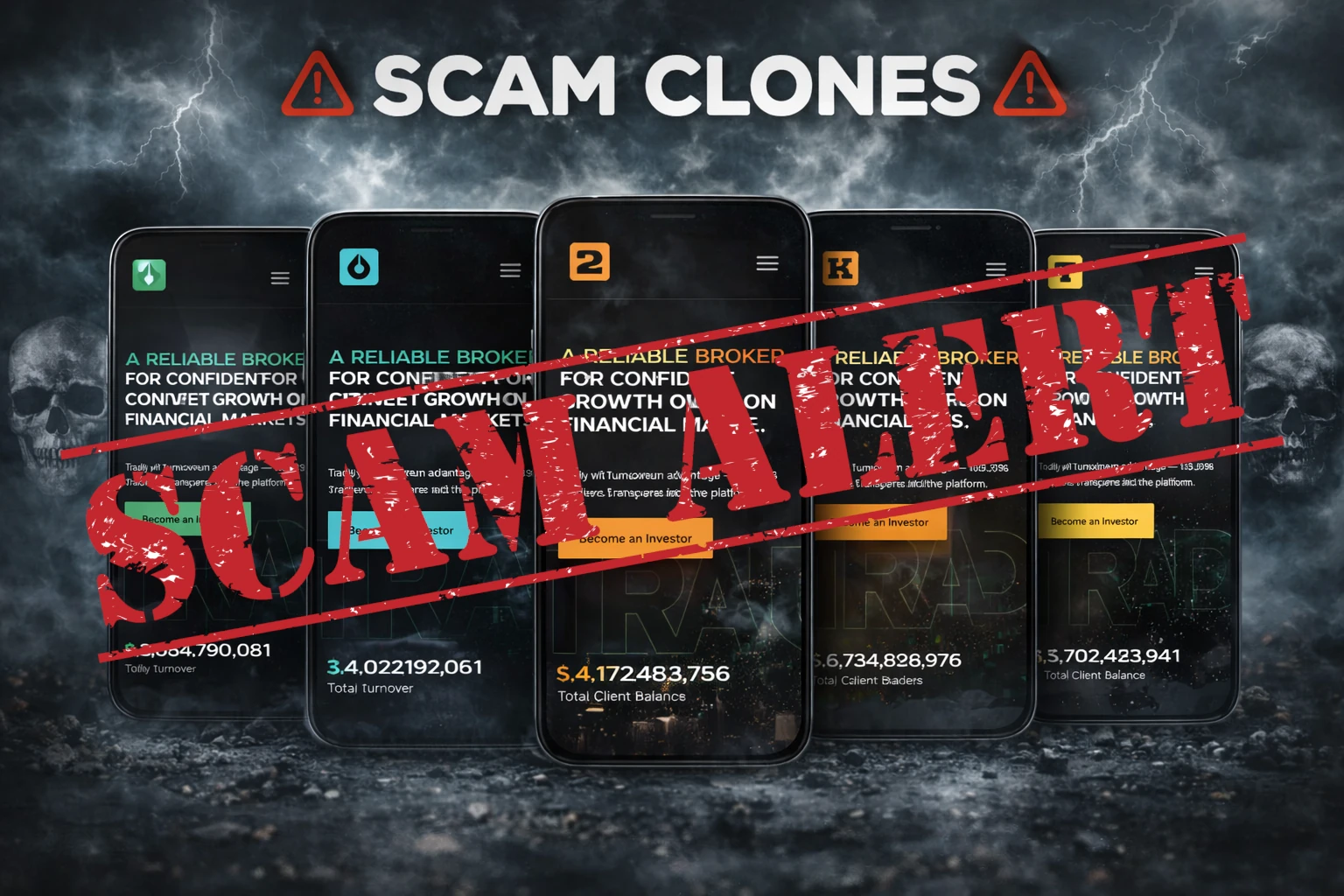
Today we are examining a network of online platforms that do not even attempt to look different. They replicate the same “product” over and over again under new domain names.
If you were invited to trade cryptocurrency, stocks, indices or CFDs through:
- daimadila.com
- tiffintin.org
- kysomats.com
- zariadco.com
- oxtotech.com
- torremyg.net
— you are very likely dealing with a cluster of identical pseudo-broker websites operating under the same technical and behavioral model.
This is not about design similarities. This is structural duplication.
Copy-Paste Design: One Template, Multiple Domains
Open any two of these websites simultaneously.
You will notice:
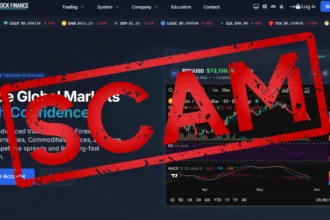
- The same pseudo-TradingView chart interface
- Identical “Deposit / Withdraw” buttons
- The same dashboard layout
- Identical registration forms
- Matching legal footers and risk disclosures
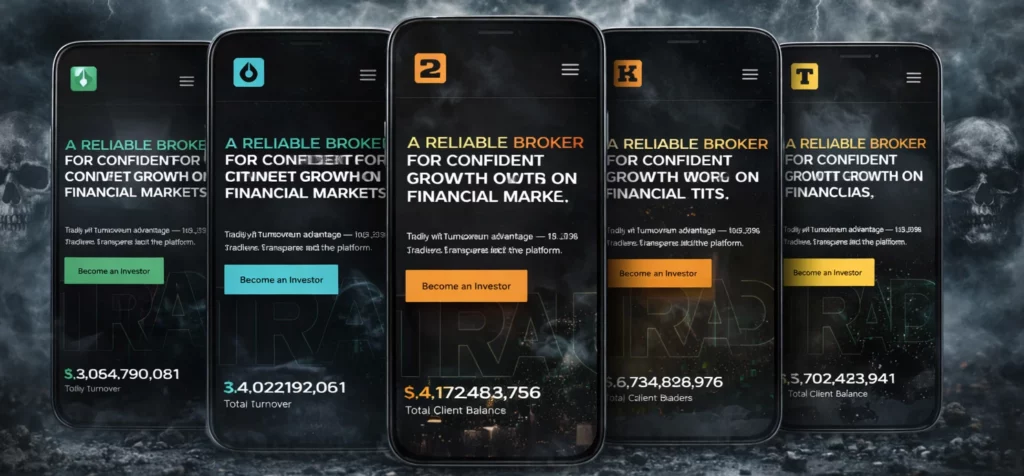
Only three things change:
- The logo
- The domain name
- Occasionally the color scheme
The trading interface appears functional, but there is no evidence of direct market connectivity. What users see is a visual simulation rather than verified market execution.
When platforms share the same architecture down to the code structure and interface logic, that strongly suggests a shared backend infrastructure.
This is how white-label scam networks operate.
No Verified Regulation or Financial License
A key question users ask is whether these platforms are licensed.
None of the domains listed above appear in the official registers of major regulators:
FCA (UK)
https://register.fca.org.uk/s/
CySEC (Cyprus)
https://www.cysec.gov.cy/en-GB/entities/investment-firms/cypriot/
ASIC (Australia)
Nor are they listed under recognized EU financial supervisory authorities.
Instead, one recurring tactic is the use of fake registry websites.
Example:
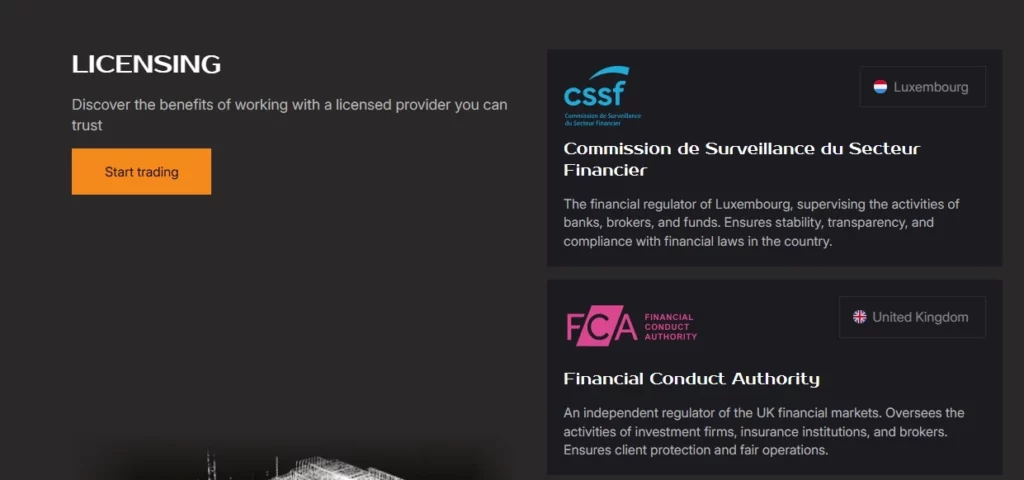
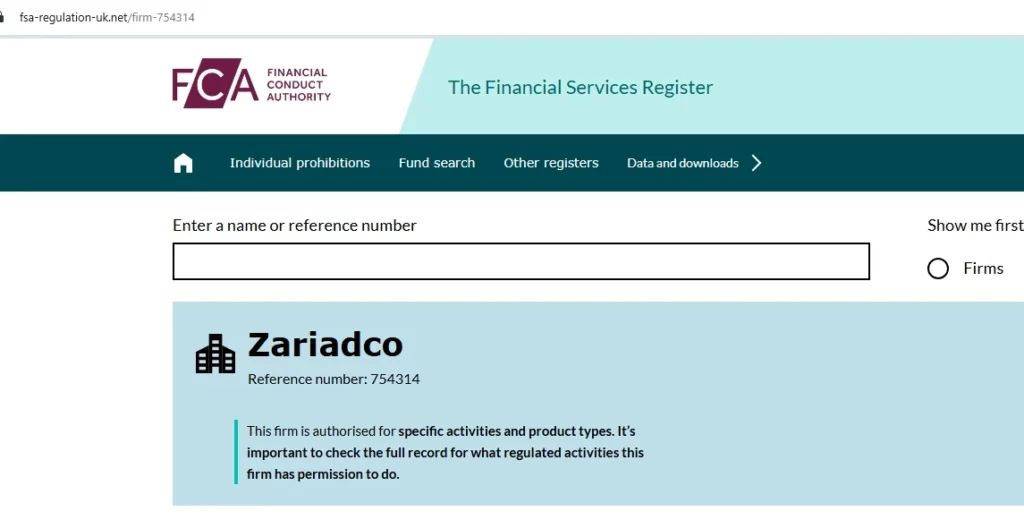
This is not the official FCA register. It is a separate domain https://fsa-regulation-uk.net/firm-754314 designed to imitate regulatory legitimacy.
The real FCA register is accessible only via the official government domain.
A licensed broker can be verified in a public regulatory database. If a company cannot be confirmed there, it operates without recognized regulatory oversight.
And that changes the risk profile entirely.
WHOIS Footprint: Short Lifespan and Hidden Ownership
Another pattern emerges when reviewing domain registration data.
Typical characteristics include:
- Use of privacy protection services
- Hidden registrant information
- One-year registration cycles
- Low-cost international registrars
- Ownership changes before relaunch
Example: zariadco.com
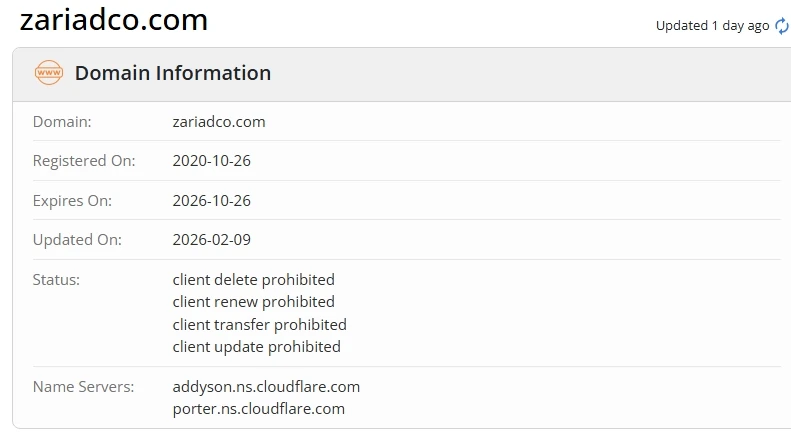
Originally registered in 2020. Ownership changed in January 2026. Public ownership details are concealed.
Example: kysomats.com
Similar timeline. Original registration in 2020. Ownership updated in early 2026. Contact data masked.
This behavior does not resemble the operational profile of a stable, long-term brokerage firm.
Legitimate financial companies do not operate in a “reset every 12 months” cycle.
Why This Appears to Be a Coordinated Network
Across the listed domains, the following elements match:
- Interface architecture
- Dashboard logic
- Legal documentation formatting
- Communication style of account managers
- Deposit processing patterns
Such consistency typically indicates centralized management and shared technical infrastructure.
In other words, this is not a coincidence.
It resembles a production line.
How the Scheme Typically Operates
Search trends such as “torremyg.net scam” or “kysomats.com reviews” usually spike after withdrawal issues.
The operational model follows a predictable sequence.
Stage 1 – Acquisition
Traffic is driven through:
- Telegram
- YouTube ads promoting crypto profits
Promises include:
- Passive income
- 5–10% weekly returns
- Personal financial analyst support
Stage 2 – Profit Simulation
Users see:
- Increasing account balances
- “Successful trades”
- Growing equity curves
However, these figures exist only inside the platform interface.
Stage 3 – Deposit Escalation
Account managers encourage:
- Larger deposits
- Credit usage
- “Premium account upgrades”
Stage 4 – Withdrawal Barrier
Once withdrawal is requested, new conditions appear:
- “Tax payments”
- “Security fees”
- “Insurance deposits”
If payment is refused, accounts are often restricted.
The pattern repeats across domains.
What This Means in Practice
Frequent domain changes combined with hidden ownership and absent regulatory confirmation significantly elevate risk.
These signals become more concerning when combined with:
- Aggressive phone outreach
- Guaranteed return claims
- Crypto-only payment methods
- Fake registry references
A legitimate broker welcomes regulatory verification. A cloned network avoids it.
Current Domain Cluster Identified
Based on internal monitoring, the following domains show structural linkage:
- daimadila.com
- tiffintin.org
- kysomats.com
- zariadco.com
- oxtotech.com
- torremyg.net
Open them side by side.
The similarities are not subtle.
If You Have Already Sent Funds
- Contact your bank immediately
- Initiate a chargeback request
- Block your card
- Preserve all communication records
- Do not pay additional “release fees”
Each additional payment increases exposure.
How to Identify a High-Risk Broker Early
- No record in FCA or CySEC register
- Recently created domain
- Hidden WHOIS ownership
- Pressure calls from “analysts”
- Guaranteed profit claims
- Withdrawal fees demanded upfront
Three or more of these signals indicate elevated risk.
Conclusion
daimadila.com, tiffintin.org, kysomats.com, zariadco.com, oxtotech.com and torremyg.net do not operate as clearly independent investment firms. They reflect a repeatable template model.
Domains rotate.
The interface stays the same.
The script does not change.
Regulation is verified in official government registers — not in website footers or imitation databases.
Watchdog Online continues to monitor similar network patterns.
If you encountered one of these domains, documenting your experience helps others avoid financial harm.
Lost money with a broker? Find out how to get it back! Contact us at [email protected] , leave your name and phone number so we can get back to you. The Watchdog Online team stands guard over your safety — together we will make the Internet better!
Read also:

One Comment